


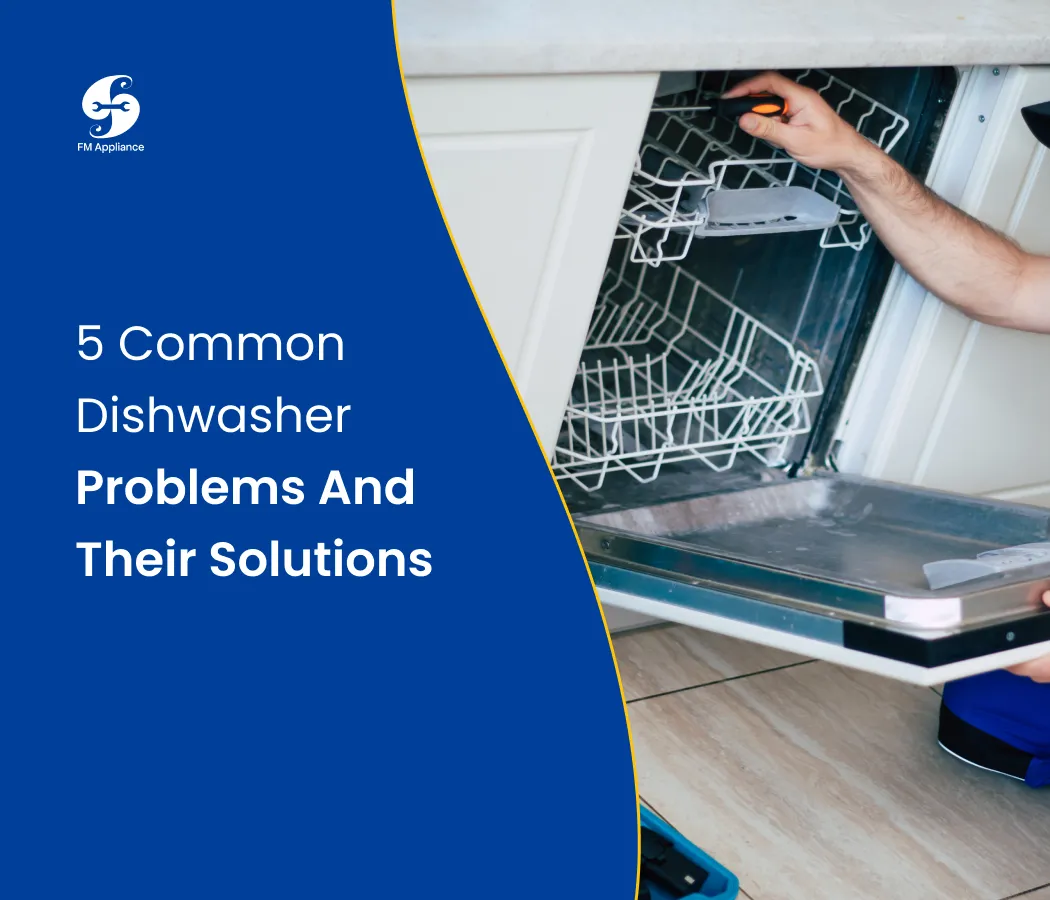
5 Common Dishwasher Problems and Their Solutions
Dishwashers, the unsung heroes of our kitchens, save us countless hours of scrubbing and rinsing. But when they hiccup, it can throw a wrench in our smoothly running home life. These hiccups, ranging from minor annoyances to major malfunctions, can disrupt our daily routines and add unexpected chores to our to-do lists. Understanding how to quickly and effectively tackle these issues not only eases our workload but also prolongs the life of this essential appliance. Here's a deep dive into the five most common dishwasher woes and how to fix them, ensuring your trusty appliance keeps ticking along efficiently.
1. Water Leaks: A Slippery Issue
Initially, let's explore the issue of water leaks, a common yet alarming problem. Statistics indicate that water leaks rank among the top three challenges faced by dishwasher owners. Often, this is due to sealant wear and tear. Over time, door seals, which are crucial for containing water, degrade from exposure to detergents, heat, and constant water pressure. This degradation may not be immediately apparent, hence the importance of regular inspections, recommended every six months. Research shows that such preventative maintenance can halve the risk of encountering leaks. Prompt replacement of worn seals not only resolves leaks but also significantly extends the lifespan of your dishwasher. Considering that dishwashers typically last about 10 years, regular maintenance is key. By staying ahead of wear and tear, you can avoid both the hassle and potential damages caused by leaks, ensuring your dishwasher remains a reliable kitchen ally.
2. Drainage Problems: Avoiding Waterlog
Moving from the topic of water leaks, let's now focus on another prevalent issue: Drainage Problems. Similar to leaks, drainage issues can significantly hinder the performance of your dishwasher, often turning it into an unwanted mini-pool. Here's how you can address this effectively:
Identify the Culprit: Clogged Filter Systems
Often, the root of drainage problems is a clogged filter system. Food particles and other debris can accumulate over time, leading to blockages.
Routine Maintenance: Regular Cleaning
A regular cleaning schedule for your filters is essential. Depending on your dishwasher's model and usage, a monthly cleaning is usually recommended.
DIY Solution: Simple Filter Maintenance
Fortunately, cleaning the filters is a straightforward process. It involves removing, rinsing, and clearing out any debris from the filters.
Impactful Results: Ensuring Smooth Drainage
This easy maintenance step can significantly improve your dishwasher's drainage efficiency, preventing water from backing up and causing potential damage.
Proactive Measures: Preventing Future Issues
Beyond fixing current problems, regular filter maintenance is a proactive strategy to prevent future drainage issues, thus enhancing your dishwasher's performance.
Thus, by addressing drainage issues with these practical steps, you not only solve an immediate problem but also contribute to the long-term efficiency and health of your dishwasher, just as you would by tackling water leaks.
3. Dishes Not Cleaning Properly: A Dirty Dilemma
After discussing drainage problems, another common issue in dishwashers is Dishes Not Cleaning Properly. This is a particularly frustrating problem, as the main purpose of a dishwasher is to clean dishes efficiently. Surveys indicate that nearly 20% of dishwasher users experience this issue at some point. The primary cause is often related to a malfunction in the spray arm. These arms, responsible for distributing water and detergent evenly, can become clogged or may stop rotating properly. When this happens, their cleaning efficiency is significantly reduced.
Additionally, the type of detergent used plays a vital role in the cleaning process. Studies have shown that using the incorrect detergent or the wrong amount can result in dishes remaining dirty or becoming covered in residue. It's important to choose a detergent that is specifically designed for dishwashers and to follow the manufacturer's recommendations for usage. This ensures that the detergent is used effectively, contributing to the overall cleaning power of the machine.
4. Strange Noises: The Sounds of Trouble
Turning from issues of cleaning effectiveness, we encounter another notable dishwasher problem: Strange Noises. This issue is more widespread than one might think, with approximately 15% of dishwasher owners reporting unusual sounds from their appliance. These sounds are more than just a minor annoyance; they often signal deeper mechanical problems, such as motor bearing failure.
The significance of promptly addressing these noises is underscored by statistical data. Early detection and repair of motor bearing issues can reduce subsequent repair costs by about 30%. Therefore, it's beneficial to be attentive to your dishwasher's operational sounds. Regularly monitoring and recognizing changes in noise can lead to early diagnosis, preventing the development of more serious, expensive problems.
5. Error Codes: Decoding the Blinking Lights
Moving from the topic of strange noises, let's delve into the world of Error Codes, a crucial aspect of modern dishwasher maintenance. These blinking lights and codes, although sometimes perplexing, are key to understanding and resolving issues with your appliance. Here’s a breakdown of how to handle these codes effectively:
Deciphering the Codes: Modern dishwashers are equipped with advanced diagnostics that display specific error codes. These codes are essential for understanding the nature of the problem, whether it’s related to sensor malfunctions, electrical problems, or simpler issues like door latch or detergent dispenser issues.
Guided Troubleshooting: Each error code provides targeted insight into the problem, aiding in efficient troubleshooting. This can range from a straightforward fix to identifying the need for professional repair.
Utilizing Resources: Keeping the dishwasher manual accessible is a wise move. It usually contains a comprehensive list of error codes and their meanings. If the manual is not available, a quick online search can provide the necessary information about the specific error code displayed by your dishwasher.
Preventive Measures: Understanding and addressing these error codes promptly is a proactive maintenance strategy. This knowledge not only helps in immediate problem-solving but also contributes to the long-term health and appliance longevity.
In conclusion, while tackling the five common dishwasher issues – water leaks, drainage problems, cleaning inefficiencies, strange noises, and error codes – can often be managed with regular maintenance and a proactive approach, some situations require professional expertise. If you find yourself facing a dishwasher problem that's beyond your skill set, or if you prefer the assurance of expert handling, don't hesitate to call FM Appliance Repair for dishwasher repair.

